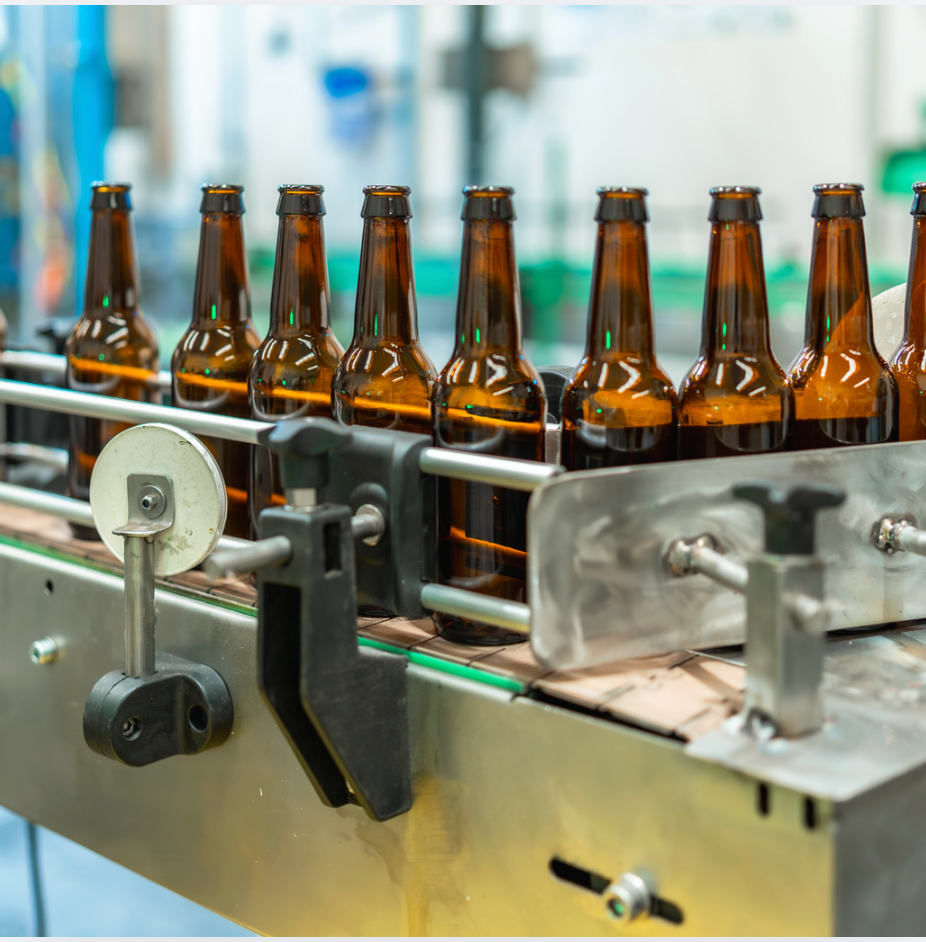
New Coffee Beverages for Your Product Line: 7 RTD Coffee Concepts to Manufacture
Coffee is no longer limited to the traditional cup of hot coffee.
Today's consumers are looking for convenience, flavor, functionality, indulgence, and new ways to enjoy their daily caffeine ritual. That's helping drive continued innovation in the ready-to-drink coffee category. For beverage brands, that creates an opportunity to take coffee beyond the coffee shop and develop ready-to-drink and canned coffee beverages designed for today's consumer.
From clean, black cold brew to creamy oat milk lattes, protein-packed coffee, functional beverages, nitro coffee, and even alcoholic coffee cocktails, there are countless ways to build a new coffee product.
At Big Brands, we help beverage companies develop and manufacture innovative beverages, including RTD coffee and canned coffee products.
Here are seven coffee concepts worth considering for your next product line.
1. Black Cold Brew
Simple. Smooth. Coffee-forward.
Black cold brew is one of the simplest coffee beverages to formulate—and that simplicity is part of its appeal.
Unlike heavily flavored or cream-based coffee drinks, black cold brew puts the focus directly on the coffee.
Cold water extraction can produce a smooth, rich coffee profile that many consumers associate with a less bitter, more approachable drinking experience.
Why consumers like it
Black cold brew appeals to consumers who want:
- A straightforward coffee experience
- Convenience
- Bold coffee flavor
- No added dairy
- No complicated ingredients
- A ready-to-drink alternative to brewing coffee at home
I
t's also a versatile base for brands that want to establish a coffee-forward product before expanding into additional flavors.
Manufacturing considerations
Commercial cold brew production requires attention to coffee extraction, concentration, formulation, processing, packaging, and shelf-life considerations. The goal is to create a consistent coffee profile that can be reproduced from batch to batch.
For brands: Black cold brew can be an excellent foundation for a broader RTD coffee product line.
2. Flavored Coffee
Familiar coffee. A little more fun. Flavor gives brands an opportunity to create a more distinctive coffee experience.
Some popular flavor directions include:
- Vanilla
- Mocha
- Caramel
- Hazelnut
- Chocolate
- Coconut
- Cinnamon
- Salted caramel
- Seasonal flavors
Flavored coffee can range from subtle and sophisticated to indulgent and dessert-inspired.
Why consumers like it
Consumers don't always want coffee that tastes like coffee.
Sometimes they want a treat. Flavored coffee can turn a morning caffeine ritual into something that feels more indulgent while still providing the familiarity of a coffee beverage. It also gives brands opportunities for seasonal launches and limited-edition products.
Manufacturing considerations
Flavor formulation needs to balance the coffee with the added flavor.
The goal isn't to cover up the coffee. It's to create a finished beverage in which the coffee and flavor work together.
Brands also need to consider sweetener systems, acidity, mouthfeel, ingredient compatibility, processing, and packaging when developing a commercial flavored coffee.
3. Oat Milk Latte
Creamy, smooth, and made for the modern coffee consumer. The oat milk latte has become one of the most recognizable plant-based coffee beverages. An RTD oat milk latte takes that coffee-shop experience and puts it into a convenient package.
A typical formulation may combine:
Coffee + oat milk + sweetener + flavor
The result can be creamy and approachable while fitting into the growing market for plant-based beverages.
Why consumers like it
Oat milk lattes can appeal to consumers looking for:
- Plant-based options
- Creamy coffee
- Coffee-shop flavor at home
- Convenient grab-and-go beverages
- A smoother alternative to black coffee
It also gives brands a premium platform for flavors such as vanilla, mocha, caramel, or cinnamon.
Manufacturing considerations
Oat milk formulations require careful attention to texture, flavor, ingredient integration, and stability. The plant-based base becomes an important part of the formulation rather than simply an ingredient added to coffee. Commercial development needs to consider how the oat milk performs throughout processing, filling, storage, and the intended shelf life.
4. Protein Coffee
Coffee meets the protein beverage.
Protein coffee combines two popular beverage occasions: caffeine and protein.
For consumers who want to make their morning beverage work harder, protein coffee offers a convenient way to incorporate protein into an existing daily routine.
A protein coffee might be formulated as:
- Black cold brew + protein
- Flavored cold brew + protein
- Latte + protein
- Oat milk coffee + protein
Why consumers like it
Protein coffee can appeal to consumers interested in:
- Convenient nutrition
- Fitness
- Active lifestyles
- Breakfast on the go
- Higher-protein diets
- Combining multiple beverage occasions into one product
It can also provide an opportunity for brands to move into the intersection of coffee, nutrition, and functional beverages.
Manufacturing considerations
Protein presents unique formulation challenges.
Depending on the protein source and formulation, it can affect:
- Texture
- Flavor
- Solubility
- Mouthfeel
- Stability
- Processing
The formulation needs to balance the desired protein content with a coffee experience consumers actually enjoy. A protein beverage shouldn't taste like you're drinking a protein shake with coffee added to it. The goal is a great coffee beverage first.
5. Functional Cold Brew
Coffee with a purpose beyond caffeine.
Functional beverages continue to create opportunities for brands looking to differentiate their products.
Cold brew provides an especially interesting platform because consumers already associate coffee with energy, focus, and productivity.
Brands can explore formulations incorporating ingredients associated with:
- Focus
- Energy
- Protein
- Vitamins
- Minerals
- Adaptogens
- Other functional ingredients
Why consumers like it
Functional cold brew can appeal to consumers who want more from their daily beverage.
Instead of simply asking: "What do I want to drink?" the consumer may be asking: "What do I want this drink to do for me?"
That shift creates an opportunity to build coffee products around specific consumer needs and occasions.
Manufacturing considerations
Functional ingredients can introduce additional formulation challenges.
Some may affect:
- Flavor
- Bitterness
- Color
- Solubility
- Sedimentation
- Stability
- Processing
This makes ingredient selection and formulation especially important. Functional claims also need to be carefully evaluated for applicable regulatory and labeling requirements.
6. Nitro Cold Brew
Smooth coffee with a premium experience.
Nitro cold brew adds another dimension to the traditional cold brew experience.
Infusing coffee with nitrogen can create a distinctive texture and visual experience, including the characteristic cascading effect associated with nitro beverages. The result can feel more like a draft coffee experience in a ready-to-drink format.
Why consumers like it
Nitro can appeal to consumers looking for:
- A smoother coffee experience
- Premium positioning
- Something visually distinctive
- A café-inspired beverage
- A more unique RTD coffee experience
For brands, nitro can also provide an opportunity to differentiate from the growing number of conventional canned cold brew products.
Manufacturing considerations
Nitro beverages require specialized consideration during product development and packaging.
Nitrogenation, carbonation levels, filling, package performance, and the desired finished experience all need to be considered during commercial development. This is a perfect example of why formulation and manufacturing need to be considered together.
7. Alcoholic Coffee RTDs
Coffee isn't just for mornings anymore.
One of the most interesting opportunities in the coffee beverage category is the intersection of coffee and alcohol. Alcoholic coffee RTDs can transform familiar coffee flavors into cocktail-inspired beverages.
Think:
- Espresso Martinis
- Bourbon coffee
- Whiskey cold brew
- Coffee liqueur-inspired beverages
- Creamy coffee cocktails
- Mocha cocktails
- Vanilla coffee cocktails
Why consumers like it
Alcoholic coffee beverages can connect two familiar experiences: coffee and cocktails.
They're particularly interesting for:
- Evening occasions
- Social gatherings
- Cocktail alternatives
- Ready-to-drink convenience
- Consumers who enjoy coffee-inspired cocktails
The category also gives brands an opportunity to bring familiar bar and restaurant experiences into convenient cans or bottles.
Manufacturing considerations
Alcohol changes the formulation equation.
The formulation needs to account for the interaction between: Coffee + Alcohol + Sweetness + Flavor + Mouthfeel
Alcoholic beverage development may also involve additional regulatory considerations, including applicable TTB requirements, labeling, product classification, and state alcohol regulations. For brands developing alcoholic coffee beverages, choosing a manufacturing partner familiar with alcoholic beverage formulation and commercial production is especially important.
From Coffee Idea to Commercial Beverage
Having a great coffee concept is only the beginning.
Commercial coffee beverage development may involve:
1. Concept Development
Define the consumer, occasion, positioning, flavor, and product goals.
2. Coffee Development
Determine the appropriate coffee, roast, extraction, and concentration.
3. Formulation
Balance coffee with sweeteners, flavors, milk or plant-based ingredients, protein, functional ingredients, or alcohol.
4. Bench Samples
Develop and refine small-scale samples before commercial production.
5. Stability & Processing Evaluation
Evaluate how the finished beverage performs under the intended manufacturing and storage conditions.
6. Commercial Scale-Up
Determine how the formula will translate from development quantities to commercial production.
7. Packaging
Select the appropriate can or bottle for the finished product.
8. Manufacturing
Produce the beverage consistently at commercial scale.
Coffee Beverage Manufacturing: Formulation and Production Go Hand in Hand
A successful RTD coffee isn't created by the formulation team alone. It isn't created by the manufacturing line alone - the two have to work together.
A formulation may taste fantastic in a small batch but require adjustments when scaled to commercial production.
Likewise, the manufacturing process and packaging can influence how the formulation needs to be developed.
That's why Big Brands approaches coffee beverage development with the finished product in mind from the beginning.
Ready to Develop Your Next Coffee Beverage?
Whether you're looking to create a canned cold brew, flavored coffee, oat milk latte, protein coffee, functional cold brew, nitro beverage, or alcoholic coffee RTD, the opportunity starts with a strong product concept and a commercially viable formulation.
Big Brands helps beverage companies move from idea → formulation → scale-up → commercial manufacturing.
Have a coffee beverage concept? Let's turn it into a product your customers can actually grab off the shelf.
Start Your Beverage Project